Advance From General Technology and IT Experience Into Artificial Intelligence, Automation, and Intelligent Systems Expertise — MSc Artificial Intelligence Explained
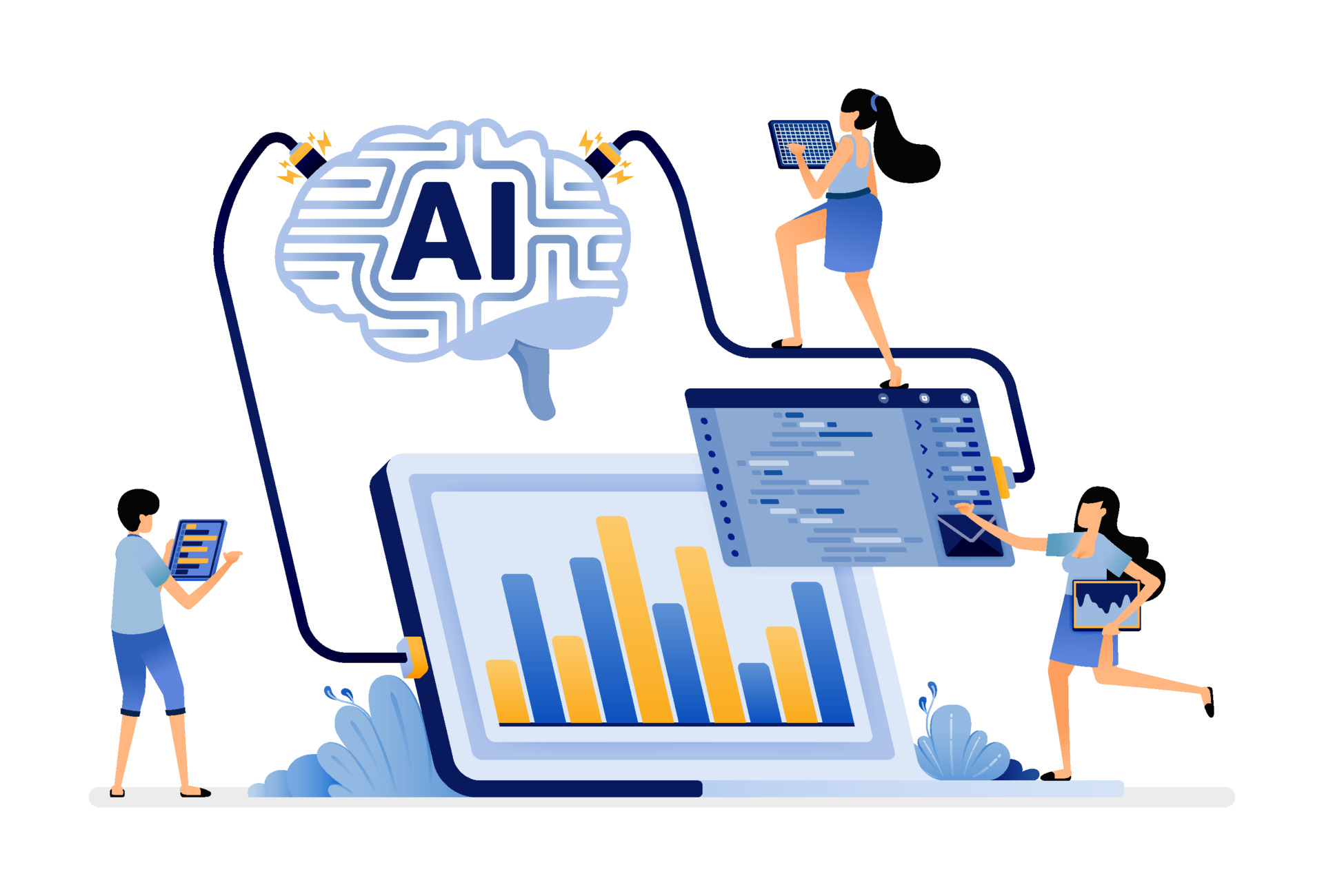
What This Program Helps You Understand About Artificial Intelligence and Intelligent Systems
The MSc Artificial Intelligence is designed for professionals who want to develop advanced knowledge in intelligent technologies, machine learning, automation, data-driven systems, and modern AI applications across industries.
This program goes beyond basic programming knowledge.
It helps professionals understand how intelligent systems are designed, trained, deployed, and integrated into real-world environments.
The focus combines technical AI development with practical industry application.
You learn how machine learning models work, how AI systems process data, how intelligent automation improves business operations, and how emerging technologies are transforming industries globally.
The program also explores areas such as deep learning, robotics, natural language processing, cloud-based AI systems, intelligent decision-making, and AI governance.
In practical terms, this program helps professionals progress from traditional technical knowledge into understanding how intelligent technologies are shaping business innovation, automation, digital transformation, and the future of global industries.
Why Many Technology Professionals Eventually Feel Limited
Many professionals already work with technology daily.
They understand systems.
They support operations.
They manage infrastructure.
They may even have experience with programming, analytics, or software tools.
But the technology industry is changing rapidly.
Organizations increasingly need professionals who understand not just traditional IT systems…
but also intelligent systems capable of learning, predicting, automating, and adapting.
This is where many professionals begin to feel a skills gap.
The market is shifting toward AI-driven decision-making, automation, and intelligent technologies, while many professionals still operate mainly within traditional technical environments.
The Technology Shift Reshaping Global Careers
Artificial intelligence is no longer limited to research labs or large technology companies.
AI is now influencing:
Business operations
Healthcare systems
Financial services
Cybersecurity
Manufacturing
Logistics
Marketing
Customer experience
Education
Cloud computing
Enterprise automation
Organizations worldwide are investing heavily in AI systems that improve efficiency, reduce operational costs, support predictive decision-making, and create competitive advantage.
As this transition accelerates, professionals with AI capability are becoming increasingly valuable globally.
Why AI Capability Is Becoming a Competitive Advantage
The challenge for many professionals today is no longer simply understanding technology.
The real challenge is understanding how intelligent systems work and how they can be applied strategically.
Modern employers increasingly look for professionals who can:
Build intelligent systems
Work with machine learning models
Interpret large datasets
Support automation initiatives
Develop scalable AI solutions
Understand cloud-integrated AI infrastructure
Contribute to digital transformation projects
Support AI governance and responsible AI adoption
This is one reason AI-related careers continue expanding across industries worldwide.
This Program Goes Beyond Basic Coding or Traditional IT Training
This is not simply a software programming course.
And it is not limited to theoretical AI concepts alone.
The program combines artificial intelligence, machine learning, intelligent systems, robotics, cloud technologies, analytics, research, and strategic innovation to prepare professionals for modern AI-driven environments.
The focus is both technical and strategic.
You learn not only how AI systems function…
but also how organizations apply AI technologies to improve operations, products, decision-making, customer experience, and long-term innovation.
👉 If You Want to Understand Whether Artificial Intelligence Aligns With Your Current Career Direction, Complete the AI & Emerging Technology Assessment
👉 If You Want to Understand the Career Pathway Properly First, Continue Reading Below
What Career Growth Can Start Looking Like After This

A technology professional working in systems support and technical operations had several years of experience managing IT infrastructure and supporting organizational systems.
But despite strong technical exposure, career progression into higher-paying innovation-focused roles remained limited.
The industry was increasingly shifting toward AI, automation, cloud intelligence, and data-driven systems.
After completing an MSc Artificial Intelligence, that same professional expanded into intelligent systems development and AI-focused projects involving machine learning models, automation workflows, and predictive analytics.
The technical foundation already existed.
What changed was the ability to work with modern intelligent technologies and apply them strategically within evolving digital environments.
What This MSc Artificial Intelligence Actually Helps You Build
This program strengthens your capability in areas such as:
Machine learning and predictive analytics
Artificial intelligence systems development
Deep learning and intelligent automation
Natural language processing (NLP)
Robotics and autonomous systems
Cloud-integrated AI infrastructure
Data-driven decision systems
AI research and innovation
Digital transformation and intelligent technologies
AI ethics and governance
What This Means Professionally
This is not simply about learning how to code.
It is about understanding how intelligent systems are developed, applied, and integrated into modern organizations and industries.
You begin developing the capability to contribute to AI-driven innovation, intelligent automation, advanced analytics, and emerging technology initiatives that influence how businesses and industries operate globally.

👉 Not Sure Whether This Matches Your Current Career Stage?
👉 Complete the AI & Emerging Technology Assessment to Understand Your Positioning Gap and Next Professional Step
You May Already Meet the Requirements
Many professionals assume artificial intelligence programs are only for highly advanced software engineers or research scientists.
That is not always true.
A lot of professionals already qualify through existing technical education, computing knowledge, or industry experience.
Basic Entry Requirements
Academic Requirement:
A degree in Computer Science or a closely related subject equivalent to a UK Bachelor’s degree (minimum 2:2 equivalent)
OR
Relevant professional experience in IT or a related field may also be considered on a case-by-case basis.
Work Experience:
Relevant IT or technical experience preferred
English Language Requirement:
IELTS 6.5 overall or equivalent
Applicants without IELTS may take the university’s online English proficiency assessment.
Your Existing Technical Experience Still Matters
If you already work in IT support, software development, systems administration, networking, cloud services, analytics, databases, cybersecurity, or technical operations, your experience remains highly relevant.
This program helps expand your technical capability into modern AI and intelligent systems environments.
You Can Continue Working While Studying
The learning structure is designed for working professionals.
You do not necessarily need to pause your career while studying.
The flexible structure allows professionals to continue gaining industry experience while developing advanced AI capability.
How the Learning Structure Works
Qualification Pathways:
MSc Artificial Intelligence — 30 months
PG Dip Artificial Intelligence — 20 months
PG Cert Artificial Intelligence — 10 months
Learning Format:
Flexible online learning structure
Combination of guided academic support, practical application, and independent learning
Industry-relevant technical and research-focused approach
Professional Growth Does Not Always Require Starting Over
You continue building technical experience.
You continue growing professionally.
But now your growth becomes more aligned with emerging technologies, intelligent systems, and future-focused digital innovation.
How Your Career Direction Can Expand After This
One of the most significant changes after this program is not just the technical knowledge gained.

It is the level of intelligent systems responsibility and innovation capability you become prepared to handle.
You may begin progressing into opportunities such as:
Machine Learning & Predictive Analytics Roles
You work with intelligent models, predictive systems, data-driven automation, and advanced analytics.
Job titles: Machine Learning Engineer, Data Scientist, AI Data Analyst, Predictive Modelling Specialist, Computer Vision Engineer
Best regions: US, UK, Canada, Singapore, India, UAE
Robotics & Intelligent Systems Roles
You help develop autonomous systems, robotics technologies, and intelligent automation environments.
Job titles: Robotics Engineer, Intelligent Systems Developer, Autonomous Systems Designer, Industrial Automation Specialist
Best regions: UK, Germany, Japan, US, Canada, South Korea
Natural Language Processing & Conversational AI Roles
You develop AI systems capable of understanding and generating human language.
Job titles: NLP Engineer, Chatbot Developer, Computational Linguist, AI Voice Interaction Designer
Best regions: US, UK, Canada, EU, India, UAE
Cloud AI & Digital Transformation Roles
You support organizations integrating scalable AI systems into business operations and digital infrastructure.
Job titles: AI Systems Architect, Cloud AI Engineer, AI Solutions Consultant, Digital Transformation Analyst
Best regions: UK, US, Canada, Singapore, UAE, Ireland
Research, Ethics & AI Governance Roles
You contribute to AI research, policy development, governance frameworks, and responsible AI implementation.
Job titles: AI Research Scientist, AI Ethics Advisor, Research Associate, Data Governance Specialist
Best regions: Global opportunities across universities, research institutes, NGOs, and international organizations
What Income Potential Can Look Like
UK: £45,000 – £100,000
Canada: $65,000 – $130,000
Australia: AUD $85,000 – $145,000
UAE: $55,000 – $120,000
Ireland: €50,000 – €100,000
Global remote AI roles: $90,000 – $170,000
The Bigger Question Is About Future Positioning
Technology is evolving rapidly.
Organizations increasingly need professionals who understand intelligent systems, automation, machine learning, cloud AI infrastructure, and digital innovation.
The real question is whether your current skills position you for where the technology industry is heading.
👉 Complete the AI & Emerging Technology Assessment to Understand Your Current Positioning and Growth Pathway
Understanding the Financial Commitment
Tuition Structure

PG Cert Artificial Intelligence — £5,786
PG Dip Artificial Intelligence — £11,572
MSc Artificial Intelligence — £17,357
For many professionals, this becomes more than an academic qualification.
It becomes an investment into future-focused technical capability, innovation leadership, and long-term global career growth.
Why Career Alignment Matters So Much
A qualification creates the most value when it aligns with where industries are moving and where you want your career to evolve.
Artificial intelligence is influencing nearly every sector globally.
Professionals who understand how to work with intelligent systems are increasingly becoming part of the future direction of business and technology.
Before Making Any Major Career Decision
Understand the following:
The type of technology career you want long-term.
The level of technical responsibility you want to handle.
Whether your current skills align with where the industry is heading.
And whether your next qualification supports that future direction properly.
That clarity is often what separates professionals who remain in traditional technical roles…
from those who grow into advanced AI, intelligent systems, and digital innovation leadership positions.
