Build a Career Beyond Sports Coordination and Into Strategic Sports Leadership — EMBA in Global Sport Management Explained

The Bigger Career Shift This Program Is Preparing You For
The Executive MBA in Global Sport Management is designed for professionals who want to move beyond operational involvement in sports and begin taking on leadership responsibilities across clubs, sporting organizations, athlete programs, events, and commercial sports operations.
This program is not simply about understanding sports management on a surface level.
It focuses on how the global sports industry actually functions behind the scenes — including leadership, sponsorships, fan engagement, operations, branding, analytics, and organizational growth.
You begin learning how sports organizations make strategic decisions, grow commercially, manage talent, and build long-term success in highly competitive environments.
In simple terms, the program helps you transition from contributing to sports operations…
To help shape how sports organizations grow and compete globally.
Why Experience Alone Eventually Stops Creating Bigger Opportunities
Many professionals working in sports eventually notice something frustrating.
The harder they work, the less visible their career growth becomes.
You may already have experience coordinating sporting activities.
Supporting athletes or teams.
Managing logistics and operations.
Handling events or communications.
Contributing behind the scenes to keep things running smoothly.
So yes, you already understand the practical side of the industry.
But eventually, progression slows down.
The Stage Where Operational Work Is No Longer Enough
At a certain point, the issue is no longer about commitment or effort.
The challenge becomes strategic exposure.
Senior decisions around sponsorships, partnerships, league operations, commercial growth, athlete development, and international expansion are usually made above your current level.
And even when you understand the problems clearly, your role may not give you enough influence to shape those outcomes directly.
Why Many Talented Sports Professionals Remain Stuck for Years

This happens more often than people realize.
A professional can spend years building valuable experience…
Working major events…
Supporting successful teams…
Managing demanding operations…
Yet still struggle to move into leadership opportunities.
Not because they lack ability.
But because their profile still reflects operational support rather than strategic leadership readiness.
The Sports Industry Is Becoming More Business-Driven Than Ever
Modern sports management has evolved far beyond organizing matches or managing athletes.

Today’s industry revolves around global branding, sponsorships, digital engagement, commercial partnerships, analytics, fan experience, media visibility, and business performance.
Sports organizations now want leaders who understand both sports and business strategy.
That is the direction the industry continues moving toward internationally.
There’s a Big Difference Between Being Involved… And Leading
Many professionals are experienced in sports operations.
Far fewer are trusted with leadership responsibility.
That difference usually comes down to positioning.
Your experience may already prove that you can execute tasks effectively.
But leadership opportunities often depend on whether your profile reflects strategic management capability, commercial understanding, and organizational leadership readiness.
This Is Usually a Leadership Positioning Gap — Not a Lack of Potential
Most professionals in this position are not underqualified.
And they are not incapable.
The real issue is that their experience has not yet been developed into higher-level leadership positioning.
That shift requires structured business and management development.
👉 If this already sounds familiar, complete the Global Sport Management Leadership Assessment.
👉 If you want to understand how the pathway works first, continue below.
What Professional Growth Can Start Looking Like After This Program
A professional working in sports operations spent years coordinating activities, supporting logistics, and managing event responsibilities within a sports organization.
But whenever management opportunities became available, the feedback remained similar — strong operational experience, but limited strategic leadership exposure.
After completing an Executive MBA in Global Sport Management, that same professional transitioned into a leadership role overseeing sports operations, partnerships, and organizational planning.
The industry experience already existed.
What changed was the level at which that experience was positioned.
Understanding What This Executive MBA Actually Is
This is an Executive MBA in Global Sport Management.
It is designed for professionals who want to move from operational sports roles into leadership, commercial strategy, organizational management, and global sports business positions.
What This Program Is Not Trying to Be
This is not basic coaching education.
And it is not limited to event coordination or administrative sports management alone.
What You Begin Developing Through This Program
This program helps strengthen your ability in areas such as:
Global sports business and leadership
Sports marketing and sponsorship strategy
Club and league operations management
Fan engagement and brand growth
Sports analytics and commercial insights
Athlete and team program coordination
Sports event and venue operations
Governance and organizational management
What This Upgrade Changes Practically

This is not simply about becoming better at supporting sports activities.
It is about preparing you to influence how sports organizations grow, operate, generate revenue, and compete internationally.
You move from supporting systems…
To help lead and improve those systems strategically.
👉 Unsure whether this aligns with your current stage?
👉 Complete the Global Sport Management Leadership Assessment to understand your positioning gap.
You May Already Qualify More Than You Think
A lot of professionals assume programs like this are only for senior executives.
But many working professionals already meet the requirements without realizing it.
Basic Entry Requirements
Academic Requirement:
Bachelor’s Degree from a recognized university
Work Experience:
Minimum of 3 years relevant experience preferred
Other Requirements:
Minimum age of 22
English proficiency equivalent to IELTS 5.5 and above
Your Existing Industry Experience Already Matters
If you’ve worked in sports operations, event management, athlete support, communications, logistics, sports marketing, administration, or club coordination, your experience is relevant.
This program is designed to build on what you already know from practical industry exposure.
You Can Continue Building Your Career While Studying
The structure is designed for working professionals.
You continue working while strengthening your leadership, business, and management capabilities.
How the Learning Structure Fits Around Professional Life
Duration: 12–15 months
Flexible modular learning structure
Combination of live and recorded sessions
The format is designed to work around professional schedules and personal commitments.
Assessments focus more on practical application, strategic thinking, projects, and real-world business scenarios rather than only traditional exams.
No Career Interruption — Just More Intentional Career Growth
You continue working.
You continue gaining industry experience.
But now your progression becomes more structured toward leadership and long-term growth.
The Kind of Roles Professionals Begin Moving Into After This
The biggest shift is not just a title change.
It is the level of influence, responsibility, and decision-making involvement you begin carrying.
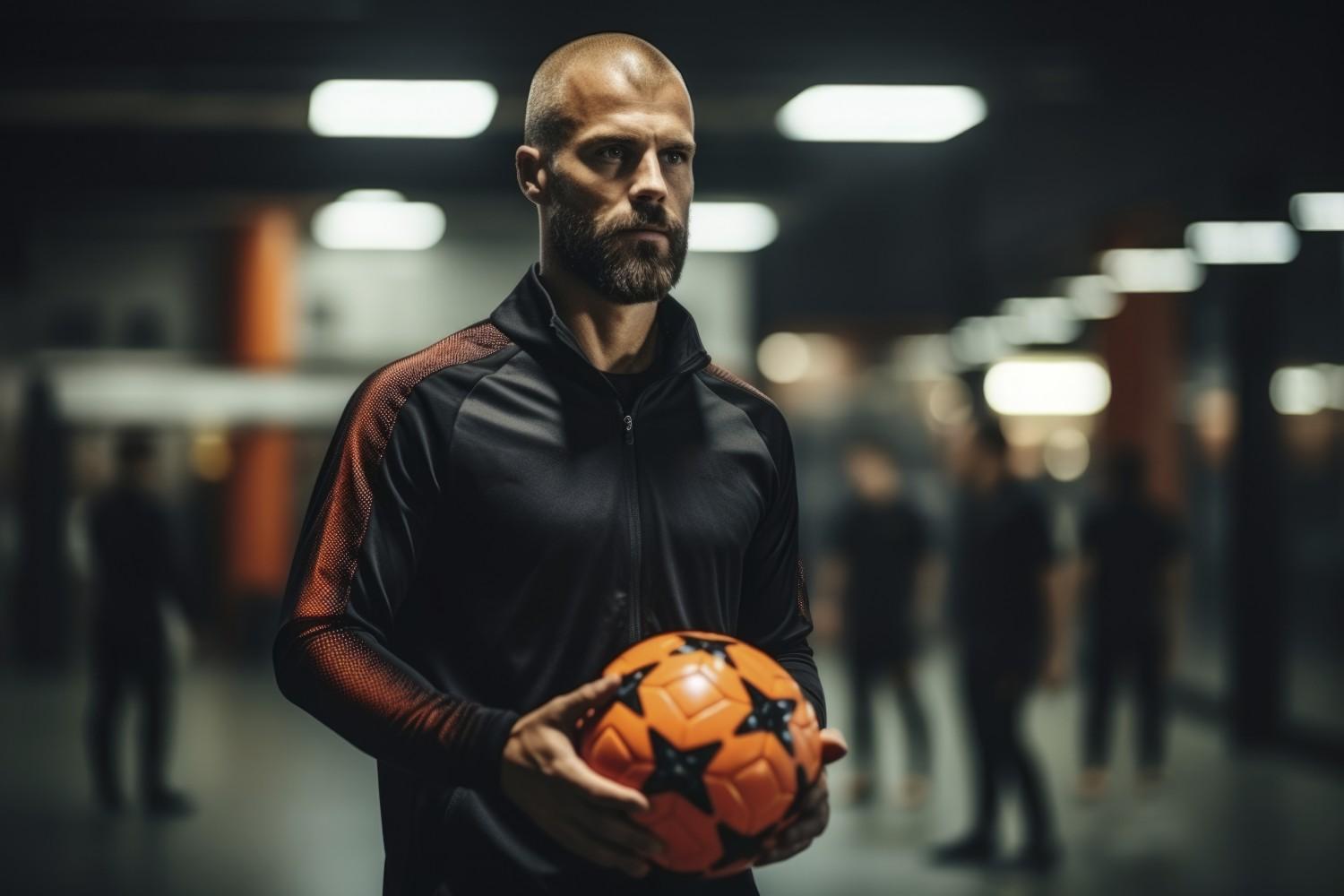
Professionals often transition into opportunities such as:
Sports Operations & Club Leadership Roles
You begin overseeing sports organizations, operational systems, and team management structures.
Job titles: Sports Club Manager, Team Operations Manager, League Operations Executive, Sports Facility Manager
Best regions: UK, USA, UAE, Europe, South Africa
Sports Marketing & Commercial Partnership Roles
You help sports organizations grow through branding, sponsorships, partnerships, and fan engagement strategy.
Job titles: Sports Marketing Manager, Sponsorship Manager, Brand Activation Executive, Fan Engagement Manager
Best regions: UK, USA, UAE, Australia, Europe
Sports Analytics & Strategic Planning Roles
You use business insights and performance data to support decision-making across sports organizations.
Job titles: Sports Data Analyst, Commercial Analytics Executive, Strategy Analyst, Performance Analyst
Best regions: USA, UK, Canada, Germany, Australia
Sports Events & Venue Management Roles
You coordinate tournaments, venues, logistics systems, and major sporting events.
Job titles: Sports Event Manager, Tournament Operations Manager, Venue Operations Manager, Logistics Coordinator
Best regions: UAE, Qatar, UK, France, South Africa
Sports Governance & Organizational Leadership Roles
You contribute to athlete development, sports policy, governance systems, and institutional leadership.
Job titles: Sports Federation Administrator, Athlete Development Manager, Sports Policy Advisor, Program Director
Best regions: UK, Canada, Australia, Nigeria, South Africa
What Salary Levels Often Look Like at This Stage
UK: £35,000 – £85,000
UAE: $40,000 – $95,000
USA: $50,000 – $110,000
Canada: $45,000 – $95,000
Nigeria: ₦5,000,000 – ₦15,000,000
Global sports leadership and commercial roles: $45,000 – $120,000
The Real Question Is About Where Your Career Is Heading
The sports industry is growing globally.
But the professionals moving fastest are usually those who combine operational experience with leadership, business understanding, and strategic positioning.
Being Realistic About the Financial Commitment
The program typically costs around $11,500.
This is not just an educational expense.
It is a long-term positioning decision.
Why Career Alignment Matters More Than Just Getting Another Qualification

When a program aligns properly with your career direction, it can create real movement.
When it doesn’t, it becomes another qualification without a clear outcome.
Who This Program Makes the Most Sense For
This pathway may be right for you if you are:
Already working within sports environments or organizations
Interested in leadership or management positions
Looking to move beyond support or coordination roles
Interested in global sports business and operations
Passionate about sports, branding, events, or athlete management
Looking for international career opportunities within sports organizations
If this doesn’t fully describe your current stage yet, that’s completely fine.
Clarity should always come before commitment.
Why Experience Alone Does Not Always Create Career Growth
Many professionals continue gaining experience year after year…
Yet still struggle to move into leadership-level opportunities.
Because experience alone is not always what creates advancement.
Career Movement Happens When Experience Meets Positioning
The professionals who progress faster are usually those who intentionally develop leadership, business understanding, and strategic visibility alongside operational experience.
That combination changes how opportunities begin to open up.
Before You Decide Anything, Start by Understanding Your Position Clearly
You should understand the following:
The gap you are trying to close.
The level you want to move into.
The outcome aligns with your long-term direction.
That is what separates professionals who grow strategically…
From those who remain experienced but professionally overlooked.
